
Diamonds have long been cherished for their beauty, rarity, and symbolic significance. However, with advancements in technology, the jewelry industry has seen a rise in lab-grown diamonds as an alternative to natural diamonds. This development raises important questions about the differences between lab-created diamonds and natural diamonds, including their origins, quality, and environmental impact. In this comprehensive guide, we will explore these aspects in detail, helping you make an informed choice.
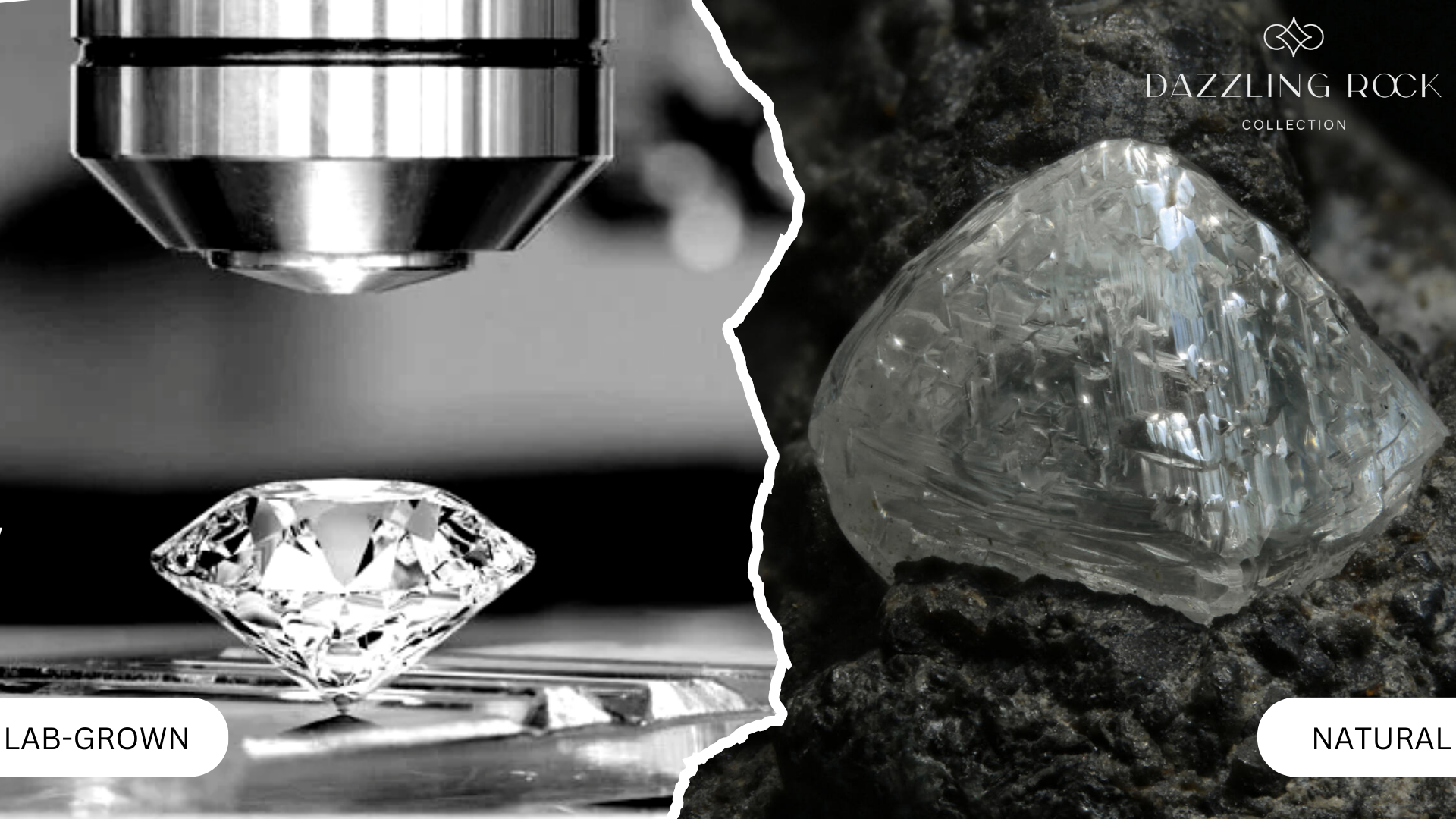
What are Lab-Grown Diamonds?
Lab-grown diamonds, also known as synthetic or cultured diamonds, are created in a controlled laboratory environment. These diamonds are chemically, physically, and optically identical to natural diamonds, with the primary distinction being their origin. Utilizing advanced technological processes such as High Pressure High Temperature (HPHT) and Chemical Vapor Deposition (CVD), scientists replicate the natural diamond formation conditions.
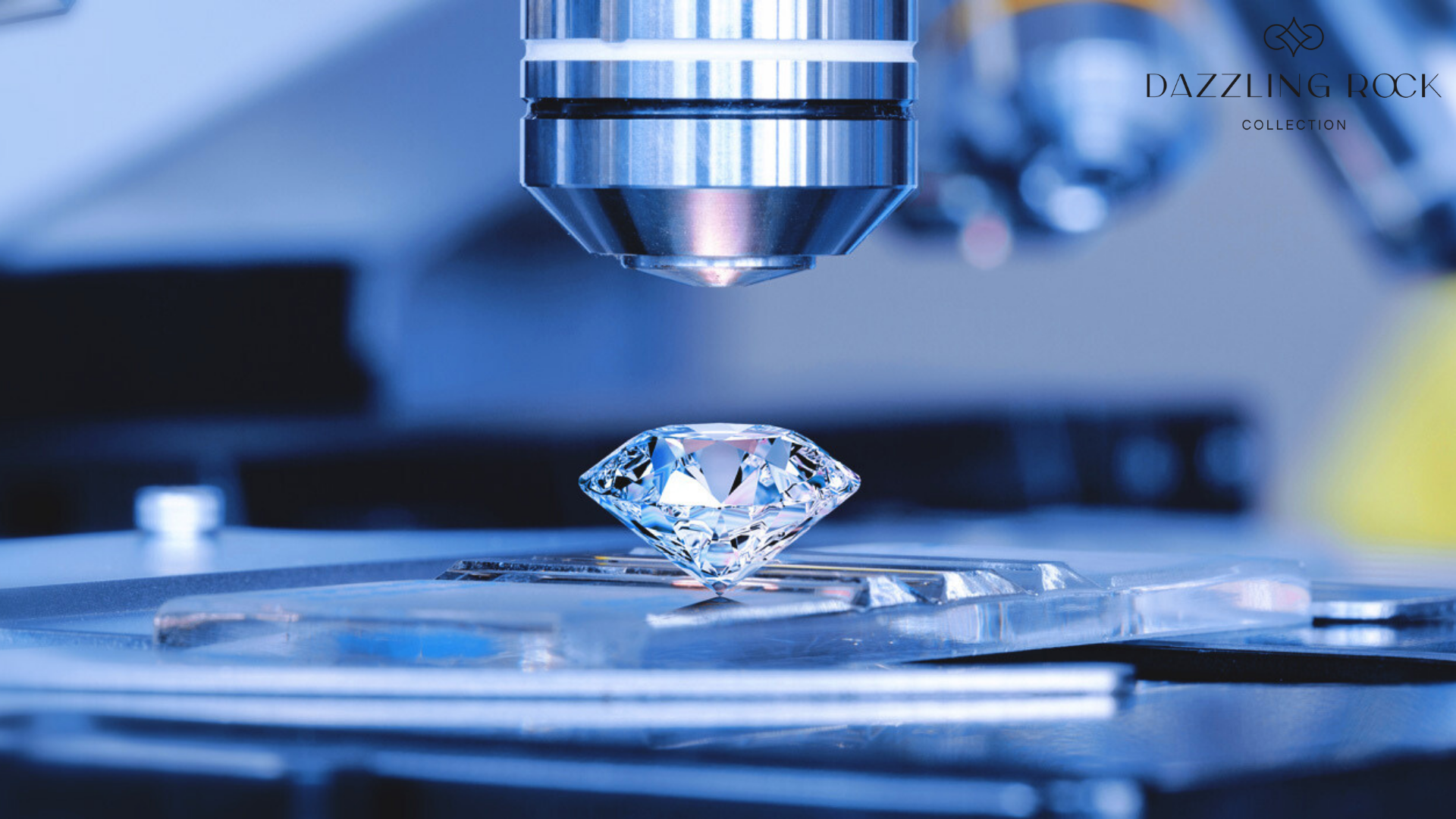
Manufacturing Process
Lab-grown diamonds are produced using two main methods:
- High-Pressure High Temperature (HPHT): This method simulates the natural diamond formation process by subjecting carbon to high temperatures and pressures.
- Chemical Vapor Deposition (CVD): This technique involves breaking down carbon-rich gasses to form diamond layers on a substrate
Both methods ensure that lab-grown diamonds possess the same crystal structure and brilliance as their natural counterparts.
What Are Natural Diamonds?
Natural diamonds, simply referred to as natural diamonds, are formed over billions of years under high pressure and temperature conditions deep within the Earth’s mantle. These diamonds are then brought to the surface through volcanic eruptions and mined from various locations around the world.
Lab-Grown vs. Natural Diamonds: Side-by-Side Comparison
| Feature | Lab-Grown Diamond | Natural Diamond |
|---|---|---|
| Price (1ct, G/VS2) | $500 – $1,500 | $4,000 – $7,000 |
| Chemical Composition | Identical (pure carbon) | Identical (pure carbon) |
| Hardness (Mohs scale) | 10 / 10 | 10 / 10 |
| Resale Value | Lower (depreciating market) | Higher (established secondary market) |
| Environmental Impact | Lower land disruption; energy-dependent | Mining displaces land and ecosystems |
| Certification | IGI (most common), GIA | GIA, IGI, AGS |
| Visual Difference | None (indistinguishable to naked eye) | None (indistinguishable to naked eye) |
| Best For | Budget-conscious buyers, larger stones | Investment, heirlooms, tradition |
Origins of Diamonds
Lab-Grown Diamonds:
Lab-grown diamonds, also known as synthetic or cultured diamonds, are created in controlled laboratory environments that replicate the natural diamond formation process. Using advanced technologies like High-Pressure High Temperature (HPHT) or Chemical Vapor Deposition (CVD), scientists can produce diamonds with the same physical, chemical, and optical properties as natural diamonds. These diamonds can be manufactured in a matter of weeks, significantly reducing the time required compared to natural formation.
Natural Diamonds:
Natural diamonds are formed deep within the Earth’s mantle under extreme heat and pressure over billions of years. These precious stones are brought to the surface through volcanic eruptions, making their way into mines where they are eventually extracted. Each natural diamond is unique, shaped by the geological conditions it experienced during its formation.
Quality and Appearance
Lab-Grown Diamonds:
Lab-grown diamonds are graded using the same criteria as natural diamonds. Because they are created in a controlled environment, they often have fewer inclusions and can achieve higher clarity grades. Additionally, lab-cultured diamonds can be produced in various colors, including rare hues like blue, yellow, and pink, which are difficult to find in nature. The ability to control the growth process allows for more precision in cut and consistency in quality.
Natural Diamonds:
The quality of natural diamonds is assessed based on the Four Cs: Cut, Color, Clarity, and Carat weight. Each natural diamond is graded on these factors, and no two diamonds are identical. Natural diamonds often contain unique inclusions and imperfections, which can add to their character and appeal.
Environmental Impact
Lab-Grown Diamonds:
Lab-grown diamonds are often promoted as a more sustainable and ethical alternative to natural diamonds. The production process requires less land disruption and has a smaller carbon footprint. However, it’s important to note that man-made diamonds still consume significant amounts of energy, which can vary depending on the energy sources used by the diamond growing labs. Transparency in production practices is crucial for assessing the true environmental impact.
Natural Diamonds:
The extraction of natural diamonds has significant environmental and social impacts. Mining operations can lead to habitat destruction, soil erosion, and water pollution. Additionally, there are concerns about ethical practices, including human rights violations and labor exploitation in some diamond-producing regions. Efforts like the Kimberley Process Certification Scheme aim to address these issues, but challenges remain.
Cost Considerations
Lab-Grown Diamonds:
Lab-grown diamonds are typically less expensive than natural diamonds of comparable size and quality. The lower cost is attributed to the controlled production process and the ability to produce diamonds on demand. This price difference makes lab-manufactured diamonds an attractive option for budget-conscious consumers who still desire the beauty and brilliance of a diamond.
Natural Diamonds:
Natural diamonds are generally more expensive due to their rarity and the extensive mining process required to obtain them. The market value of natural diamonds is influenced by their size, quality, and overall demand. Larger and higher-quality diamonds command higher prices, making them a significant investment
Ethical Considerations
Lab-Grown Diamonds:
Lab-grown diamonds are often marketed as an ethical choice, free from the concerns associated with conflict diamonds. Since they are produced in diamond growing labs, they do not contribute to the funding of armed conflicts. Additionally, a controlled production environment can ensure fair labor practices and safer working conditions.
Natural Diamonds:
The natural diamond industry has faced scrutiny over ethical concerns, including conflict diamonds (also known as blood diamonds) that fund armed conflict and human rights abuses. While initiatives like the Kimberley Process have made strides in preventing the trade of conflict diamonds, ensuring ethical sourcing remains a challenge.
Market Trends and Consumer Preferences
Lab-Grown Diamonds:
Lab-grown diamonds are gaining popularity, especially among younger consumers who prioritize sustainability and affordability. The appeal of lab-fabricated diamonds lies in their ethical and environmental benefits, as well as their cost-effectiveness. As technology advances and consumer awareness grows, man-created diamonds are becoming a mainstream option in the jewelry market.
Natural Diamonds:
Natural diamonds have a long-standing tradition and are often associated with luxury, heritage, and status. Many consumers value the uniqueness and historical significance of natural diamonds, making them a preferred choice for engagement rings and heirloom jewelry. The natural diamond market continues to thrive, supported by strong demand and established branding.
Durability and Longevity
Lab-Grown Diamonds:
Lab-grown diamonds share the same hardness and durability as natural diamonds, as they are composed of the same material. They are suitable for everyday wear and can withstand the rigors of daily activities. Lab Grown diamonds offer the same long-lasting beauty and resilience as their natural counterparts.
Natural Diamonds:
Natural diamonds are renowned for their exceptional hardness, ranking 10 on the Mohs scale. This makes them highly durable and resistant to scratches, ensuring their longevity over generations. The timeless nature of natural diamonds adds to their enduring value.
Certifications and Authenticity
Lab-Grown Diamonds:
Lab-grown diamonds also come with certifications from recognized gemological institutions. These reports verify that the diamond is lab-created and provide information on its quality. Consumers need to obtain certified lab-grown diamonds to ensure they are getting a genuine product.
Natural Diamonds:
Natural diamonds are typically certified by reputable gemological laboratories, such as the Gemological Institute of America (GIA), which provides detailed reports on the diamond’s quality and characteristics. These certifications ensure the authenticity and value of the diamond, giving buyers confidence in their purchase.
Social Impact
Lab-Grown Diamonds:
Lab-grown diamonds offer a different social impact profile. The controlled production environment reduces the risk of labor exploitation and harmful working conditions. However, the shift from mining to manufacturing can also impact communities that rely on diamond mining for their livelihoods. Balancing these social factors is crucial in the diamond industry.
Natural Diamonds:
The natural diamond industry has a complex social impact. While it can contribute to economic development and job creation in mining regions, it can also lead to negative consequences, such as community displacement and environmental degradation. Responsible mining practices and fair trade initiatives aim to mitigate these impacts.
Investment Value
Lab-Grown Diamonds:
Lab-grown diamonds, while beautiful and cost-effective, are not typically considered investment assets. Their value is not appreciated in the same way as natural diamonds. Lab diamonds are best viewed as a practical and ethical choice for personal use rather than a financial investment.
Natural Diamonds:
Natural diamonds have historically been seen as a valuable investment, with their prices generally appreciating over time. The rarity and desirability of natural diamonds contribute to their long-term value. However, the diamond market can be subject to fluctuations, and not all diamonds hold the same investment potential.
Consumer Education and Awareness
Lab-Grown Diamonds:
Educating consumers about lab-grown diamonds involves highlighting their environmental and ethical benefits, as well as clarifying misconceptions about their quality and durability. Transparency in the production process and certification can enhance consumer trust and confidence.
Natural Diamonds:
Consumers purchasing natural diamonds should be informed about the origins, quality, and ethical considerations associated with their purchase. Knowledge about certifications, conflict diamonds, and responsible sourcing practices can help buyers make ethical and informed decisions.
Conclusion
The debate between lab-grown and natural diamonds encompasses various factors, from origins and quality to environmental impact and ethical considerations. Both types of diamonds offer unique advantages and challenges, catering to different consumer preferences and values. Understanding these differences allows consumers to make informed choices that align with their priorities, whether they seek the timeless allure of natural diamonds or the innovative appeal of lab-grown alternatives.
Dazzling Rock provides an exquisite collection of lab-grown and natural diamond jewelry, featuring stunning engagement rings and timeless birthstone pieces. Their engagement rings for women showcase remarkable designs and superior craftsmanship. Whether you’re interested in lab-grown diamond earrings or a natural diamond eternity ring, Dazzling Rock offers a variety of options to match every style and occasion. Emphasizing excellence and customer satisfaction, each piece is meticulously crafted, making Dazzling Rock the ideal destination for all your jewelry needs. Visit website at Dazzling Rock to explore their beautiful collection.
FAQs
Q: Are lab-grown diamonds real diamonds?
Yes. Lab-grown diamonds are 100% real diamonds. They have the same chemical composition (pure carbon), the same crystal structure, the same hardness (10 on the Mohs scale), and the same optical properties as mined diamonds. The only difference is origin one forms underground over billions of years, the other is grown in a controlled laboratory environment in weeks. The FTC recognizes lab-grown diamonds as real diamonds.
Q: How much cheaper are lab-grown diamonds compared to natural diamonds?
Lab-grown diamonds typically cost 50–80% less than natural diamonds of the same carat, cut, color, and clarity. A 1-carat natural diamond (G color, VS2 clarity) may retail for $4,000–$7,000, while a comparable lab-grown diamond can cost $500–$1,500. At Dazzling Rock, this price advantage lets buyers upgrade to a larger or higher-quality stone within the same budget.
Q: Do lab-grown diamonds hold their value?
Lab-grown diamonds generally depreciate more than natural diamonds over time. As lab-grown diamond production scales up, market prices have declined significantly. Natural diamonds especially high-quality certified stones tend to retain value better and have a more established secondary resale market. If long-term resale value is a priority, a certified natural diamond may be the better investment.
Q: Which is better for an engagement ring lab-grown or natural?
It depends on your priorities. If you want maximum size and sparkle within a budget, lab-grown diamonds offer significantly more carat weight for the money. If you value rarity, tradition, or long-term investment, a natural diamond is the classic choice. Both are equally durable and beautiful the right choice is personal.
Q: Can a jeweler tell the difference between a lab-grown and natural diamond?
Not with the naked eye, and not with standard gemological tools. Specialized equipment such as a DiamondView machine can differentiate them by detecting trace elements, but this requires laboratory testing. All reputable lab-grown diamonds including those at Dazzling Rock, are clearly laser-inscribed and certified, so the origin is always disclosed.
Q: Are lab-grown diamonds certified?
Yes. Lab-grown diamonds can be certified by IGI (International Gemological Institute) and GIA (Gemological Institute of America). IGI is currently the most widely used grading lab for lab-grown stones. All Dazzling Rock lab-grown diamonds come with a full certificate that grades carat weight, cut, color, and clarity, the same 4Cs applied to natural diamonds.